
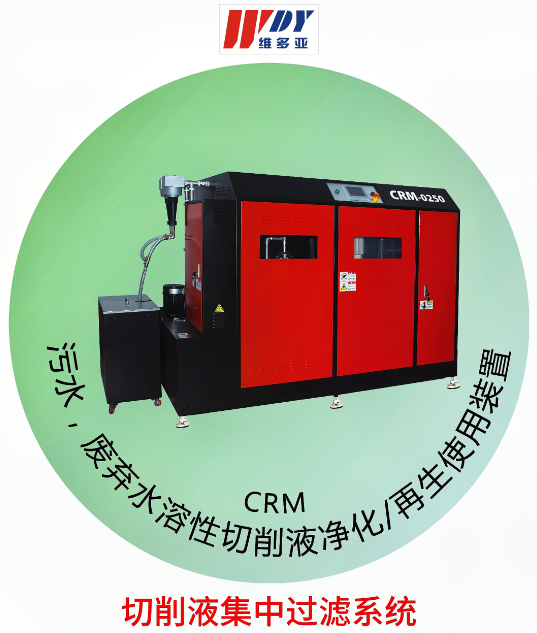
Centralized Cutting Fluid Filtration System
Overview of Weidoya’s centralized cutting-fluid filtration system.
Cutting-fluid regeneration and treatment; waste cutting-fluid reuse; water-soluble cutting-fluid regeneration and reuse.
Weidoya centralized cutting-fluid filtration systems separate contaminants from used cutting fluid so it can be recirculated. Piping collects fluid from workshop machine tools and sends it to the filtration system for centralized treatment. Modules can be customized to customer requirements to extend fluid service life, maintain quality, improve automated production management and reduce hazardous waste generation and discharge.
Application trends and background.
Centralized cutting-fluid filtration is an established direction for machining production lines. The Weidoya system suits centralized batch production and standardizes cutting-fluid type, concentration and filtration accuracy across machine tools. It improves workplace conditions, extends fluid life, reduces costs and decreases waste-fluid discharge.
During metalworking, fine chips, grinding debris, abrasive wheel particles, dust and tramp oil contaminate the cutting fluid. These impurities affect workpiece surface finish, shorten tool and grinding wheel life, and accelerate machine tool and circulation pump wear. Lubricating oil from the machine’s automatic lubrication system also consumes emulsifier when mixed into the cutting fluid, reducing fluid quality, cooling performance and service life. Prompt removal of impurities and floating oil is therefore essential to maintain cutting fluid quality during recirculation.
Many machine tools require cutting fluid for lubrication and cooling. During operation, particles and tramp oil contaminate the fluid. Microorganisms carried by these contaminants multiply, consume the fluid’s active components and cause loss of performance, discoloration and odour, eventually turning it into waste. Used cutting fluid from machining is hazardous waste and must be handled in accordance with applicable requirements.
System advantages.
1. Reduce production costs: extend cutting fluid service life by more than 2 times, achieve resource reuse of over 55%, and reduce hazardous waste discharge by over 65%, helping to save costs.
2. Longer tool life: reducing tool wear and controlling machining temperature helps extend tool service life.
3. Improved machining quality: removing micron-sized particles reduces scratches on workpiece surfaces, supports precision machining and improves the product acceptance rate.
4. Lower environmental risk: reducing hazardous-waste discharge eases the environmental burden and helps avoid related legal risks.
5. Improved occupational health: suppressing microbial growth and odors helps prevent skin damage and reduce workforce risks.
Main stages.
The process includes impurity filtration, sterilization and deodorization, and oil-water separation, maintaining cutting-fluid performance and enabling reuse.
- Previous: Centralized Cutting Fluid Supply System
- Next: None
Related Products
Centralized Cutting Fluid Filtration System
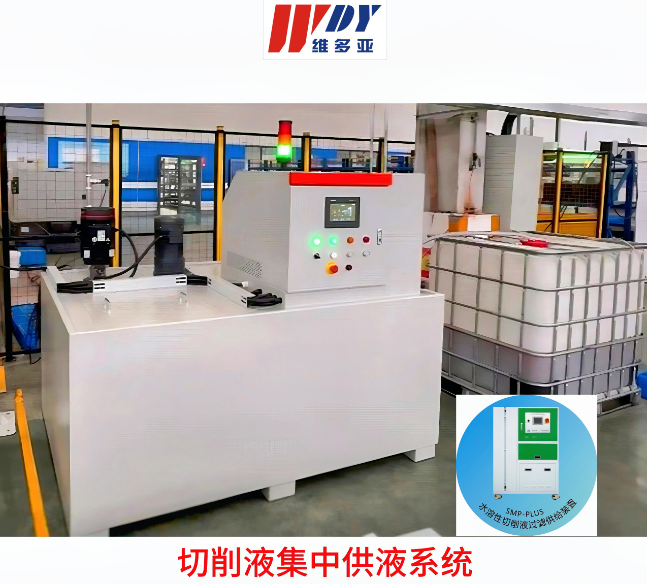
Centralized Cutting Fluid Supply System
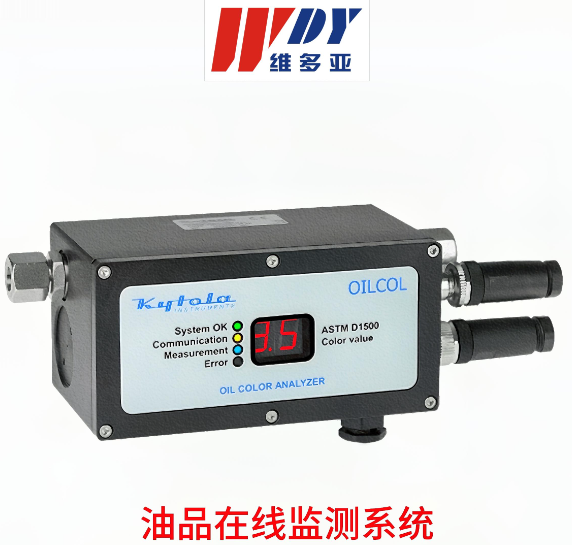
Online Oil Condition Monitoring System
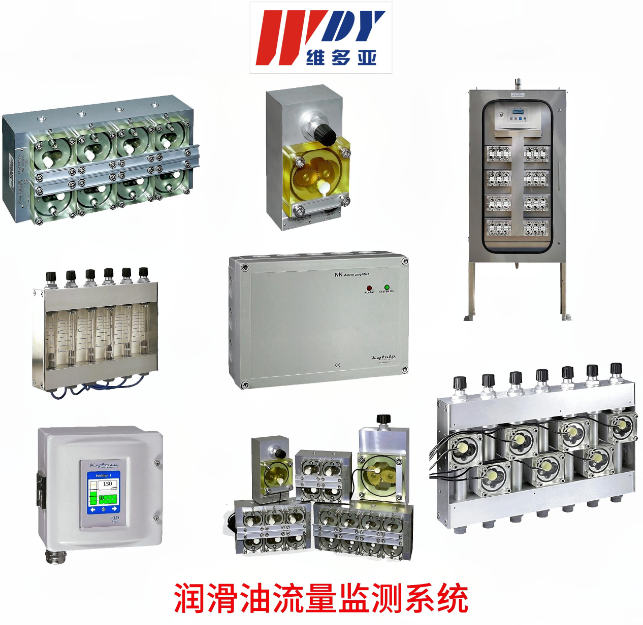
Oil Flow Panel and Oil Lubrication Flow Monitoring System
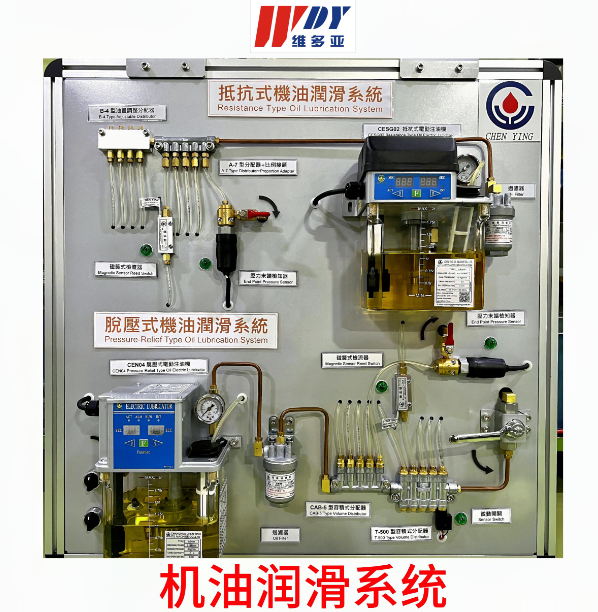
Oil Lubrication System
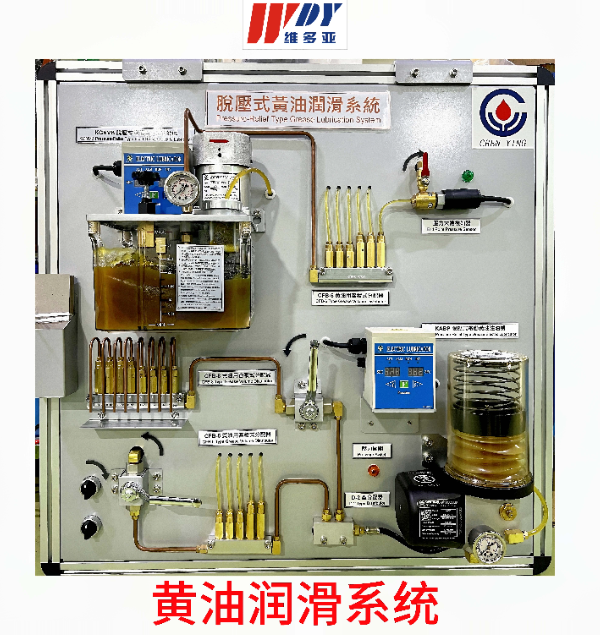
Grease Lubrication System
Related Services / service
Regional Products / city
- Anhui — Centralized Cutting Fluid Filtration System
- Beijing — Centralized Cutting Fluid Filtration System
- Chongqing — Centralized Cutting Fluid Filtration System
- Fujian — Centralized Cutting Fluid Filtration System
- Gansu — Centralized Cutting Fluid Filtration System
- Guangdong — Centralized Cutting Fluid Filtration System
- Guangxi — Centralized Cutting Fluid Filtration System
- Guizhou — Centralized Cutting Fluid Filtration System
- Hainan — Centralized Cutting Fluid Filtration System
- Hebei — Centralized Cutting Fluid Filtration System