
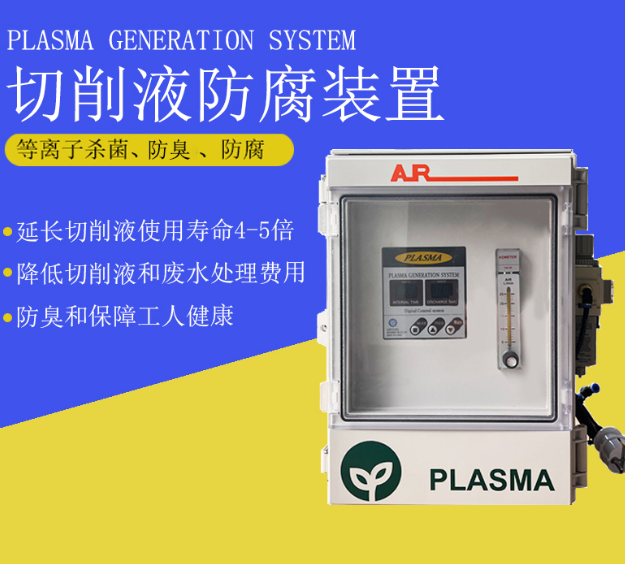
Plasma Sterilization for Aquaculture
Aquaculture: plasma sterilization in sashimi shops and seafood sales tanks.
1. Application Background
Live-fish tanks at seafood markets, ports and sashimi shops face the following challenges:
1) Short water-change intervals, usually 10–15 days
2) Algae growth and increasing water turbidity
3) Foodborne pathogens proliferating in summer
4) Fish mortality in the tanks
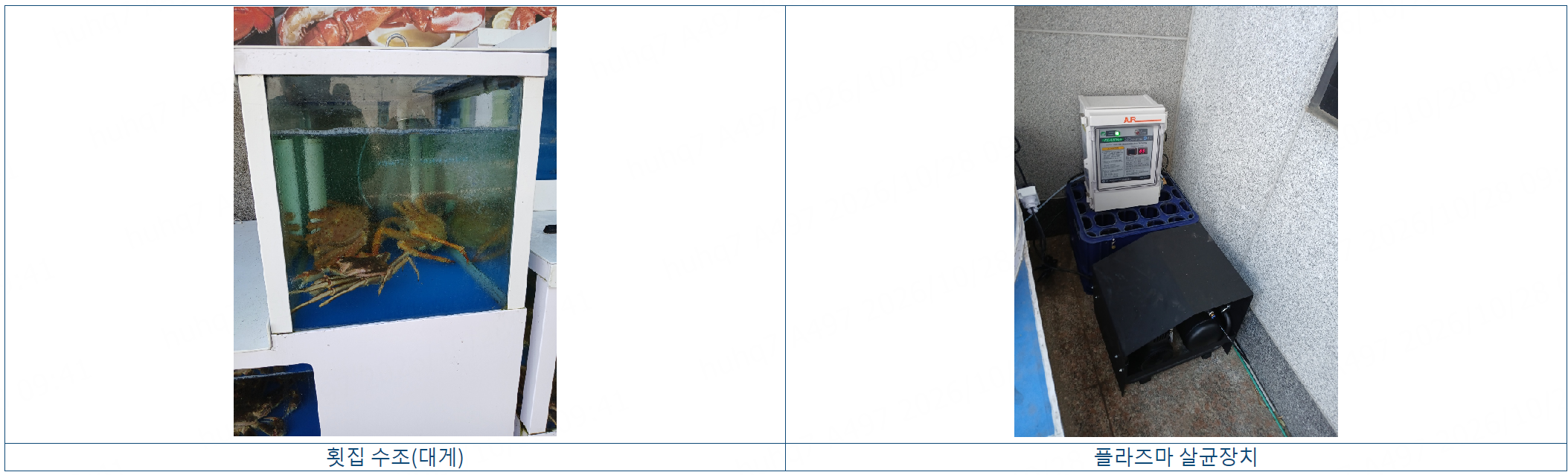
A plasma sterilization unit was therefore installed in a seafood retailer’s sales tank to evaluate its performance.
2. Results Reported by the Customer
1) Water-change interval: increased from 15 days to 45 days after installation
2) Lower water-treatment costs: water changes fell to 1/3 of the previous frequency, saving operating costs
3) Better tank management: reduced algae growth and improved cleanliness
4) Maintained fish quality: live fish on sale stayed fresh for longer
5) Hygiene: reported effectiveness against foodborne pathogens even in summer
6) Zero mortality: no further fish deaths were reported
Customer comment: “Fish used to die frequently every summer. After installation, the mortality rate became 0, and managing the tank became much easier.”
3. Scientific Principle
During plasma discharge, the unit generates reactive oxygen species (ROS) and reactive nitrogen species (RNS). The source describes their ability to inactivate foodborne pathogens such as E. coli, Vibrio parahaemolyticus and Salmonella. Hydroxyl radicals (OH·), ozone (O₃) and hydrogen peroxide (H₂O₂) react with organic matter in water, damaging bacterial membranes and oxidizing proteins and genetic material. This reduces bacteria and suspended matter and improves water quality. The source further describes pathogen control and fish-disease prevention, increased oxidation–reduction potential (ORP), long-term water stability and fish safety as the basis for longer water-change intervals, freshness and hygiene.
4. Key Points for New Customers
✅ Water-change intervals extended 3 times → lower management costs ✅ Reported control of foodborne pathogens in summer ✅ Less algae and turbidity → clearer water ✅ Longer freshness for live fish on sale ✅ Reported zero mortality → stable aquaculture management
■ Recommended Applications
Sales tanks at seafood markets
Temporary live-fish holding tanks at ports
Sashimi shops and restaurants specializing in live fish
Seafood distribution centres
- Previous: Plasma Sterilization for Large Water Tanks
- Next: Screw Tightening Machine — Tightening Screws without a Separate Torque Sensor
Related Products
Plasma Sterilization for Aquaculture
Plasma Sterilization for Large Water Tanks

Sensorik Austria for Cranes
Sensorik Austria for Ceramics

Sensorik Austria for Plastics

Sensorik Austria for Mechanical Engineering
Related Services / service
Regional Products / city
- Anhui — Plasma Sterilization for Aquaculture
- Beijing — Plasma Sterilization for Aquaculture
- Chongqing — Plasma Sterilization for Aquaculture
- Fujian — Plasma Sterilization for Aquaculture
- Gansu — Plasma Sterilization for Aquaculture
- Guangdong — Plasma Sterilization for Aquaculture
- Guangxi — Plasma Sterilization for Aquaculture
- Guizhou — Plasma Sterilization for Aquaculture
- Hainan — Plasma Sterilization for Aquaculture
- Hebei — Plasma Sterilization for Aquaculture